
DWC Airport 2026 Expansion: What To Expect
The DWC Airport 2026 expansion is the first major phase of a multi-billion-dollar project to transform Al Maktoum International Airport (DWC) in Dubai South into the world's largest airport by capacity. This initial phase is centered on opening a new passenger terminal, with the full build-out projected to handle over 200 million passengers annually once complete. The expansion is a cornerstone of Dubai's strategy to maintain its position as a premier global aviation hub, driven by the need to relieve capacity pressure at Dubai International (DXB) and support the emirate's long-term economic diversification goals.
Key Takeaways
- The DWC Airport 2026 expansion is the first phase of a phased master plan designed to create the world's largest aviation hub.
- The 2026 milestone focuses on opening a new passenger terminal and expanding operational capabilities, with the full project continuing through the 2030s.
- The complete expansion is projected to handle over 200 million passengers per year, surpassing the capacity of any current global hub.
- The project is a key component of Dubai's economic diversification strategy, closely tied to the Dubai 2040 Urban Master Plan and the Dubai South aerotropolis development.
- The expansion incorporates advanced technologies and sustainable design principles to set new standards for airport efficiency and passenger experience.
The Complete Answer: What Is the DWC Airport 2026 Expansion?
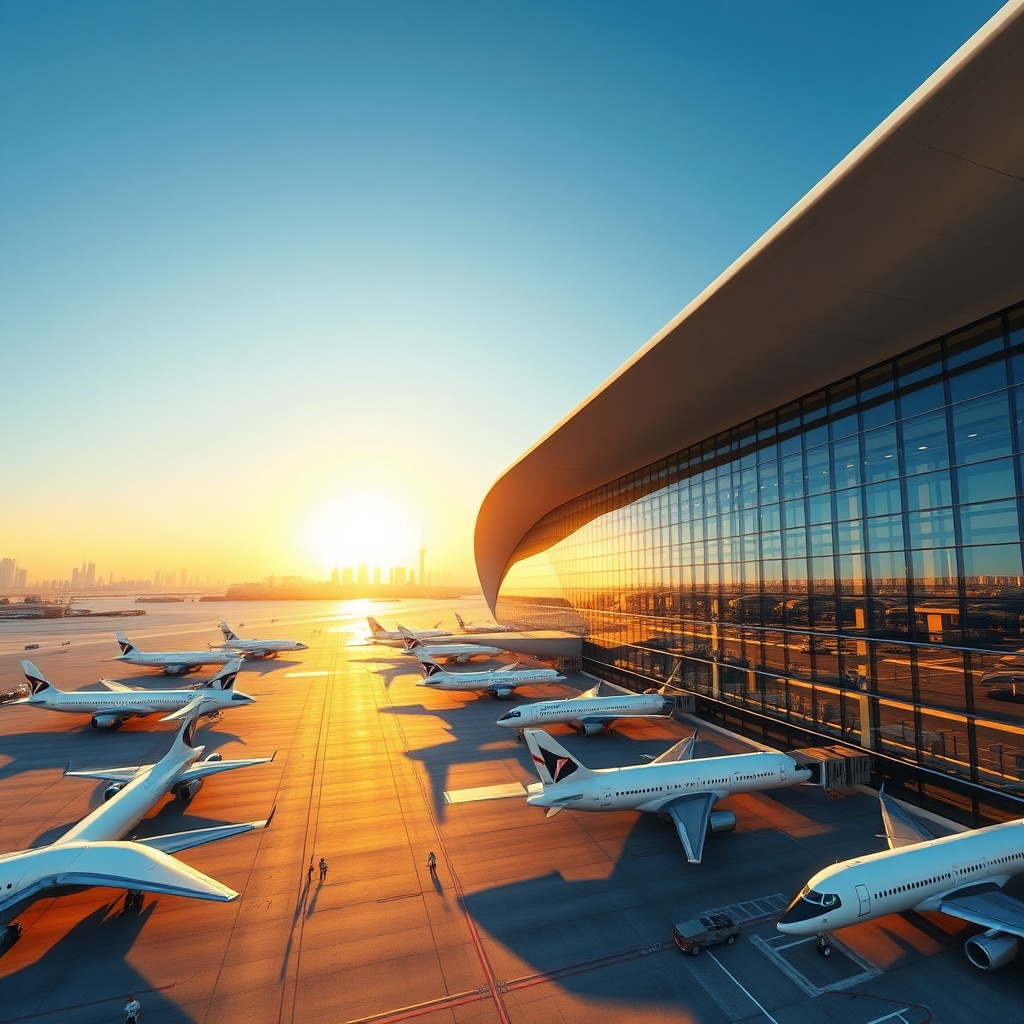
A striking exterior view of the new terminal, emphasizing its scale and futuristic architecture.
Scope and Scale of the Project
The DWC Airport 2026 expansion is a large-scale infrastructure project at Al Maktoum International Airport, designed to transform it into a mega-hub. The strategic rationale is straightforward: Dubai International (DXB) is nearing its capacity ceiling, and a new hub is essential to sustain future aviation growth.
The master plan vision includes a new passenger terminal, expanded runways, and dedicated cargo and logistics facilities. The airport is located within Dubai South, a development zone designed to integrate aviation, logistics, and commercial activities into a cohesive aerotropolis.
Quick Answer: The DWC Airport 2026 expansion is the first phase of the Al Maktoum International Airport redevelopment, focused on opening a new passenger terminal to begin the airport's transition into the world's largest aviation hub.
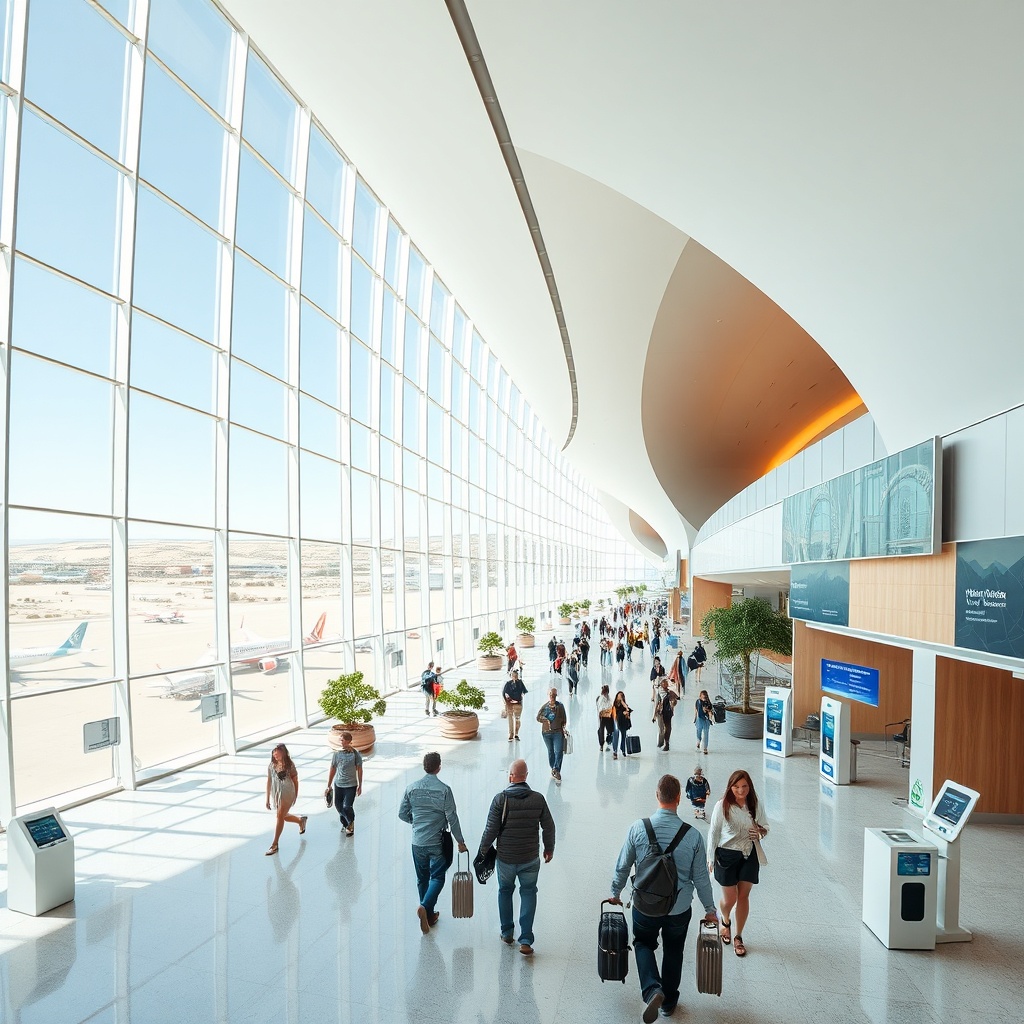
A bright, contemporary interior scene highlighting the terminal's passenger experience and eco-friendly design.
Timeline and Phasing
The project is being delivered through a phased model. The first phase targets completion around 2026, focusing on establishing initial passenger capacity. Subsequent phases will follow through the 2030s, expanding the terminal, runways, and cargo facilities to reach the ultimate capacity target.
The construction methodology emphasizes modular building techniques and prefabricated components to accelerate delivery. This approach allows parts of the terminal to become operational while construction continues on other sections, reducing the time to first operations.
Key Stakeholders and Governance
The primary entities responsible for the project include Dubai Airports, Dubai Aviation City Corporation (DACC), and the Dubai government. These bodies oversee the project's alignment with Dubai's overarching aviation strategy.
The funding model combines public investment with potential private sector partnerships. While specific lead contractors and engineering firms are announced as the project progresses, the governance structure ensures the project remains a central pillar of the emirate's infrastructure plans.
Definition: An aerotropolis is an urban development plan centered around an airport, where the airport and its surrounding commercial, logistics, and residential zones are designed to function as an integrated economic hub.
Why the DWC Expansion Matters Beyond Dubai
Shifting Global Aviation Hubs
The DWC expansion is positioned to shift global aviation traffic patterns. Dubai's geographic location as a midpoint between Europe, Asia, and Africa gives it a natural advantage for long-haul transit. With expanded capacity at DWC, more international airlines may reroute flights through the airport to reduce costs and increase connectivity.
This could draw transit passengers away from traditional hubs like London Heathrow, Hong Kong, and Singapore. The expanded capacity strengthens Dubai's position as a connecting point for East-West travel.
Impact on the UAE's Economic Diversification
The airport expansion is a key part of the UAE's broader strategy to reduce reliance on oil revenues. By supporting the aviation, logistics, tourism, and real estate sectors, the project creates a significant multiplier effect across the economy.
The airport's location in Dubai South is central to this vision. The development zone is designed to integrate aviation with logistics and commercial activities, creating a self-sustaining economic ecosystem.
Regional Competition and Positioning
The Gulf region is a competitive aviation market, with Qatar's Hamad International Airport and Saudi Arabia's planned new airports posing significant challenges. The DWC expansion is designed to maintain Dubai's competitive edge in this landscape.
The project supports Dubai's ambition to be the premier gateway between East and West, reinforcing its geopolitical and economic position in the region.
The Expansion: A Step-by-Step Breakdown
Step 1: Design and Master Plan Approval
The initial design phase involves developing the architectural concept, terminal layout, and integration with existing infrastructure. This process includes environmental impact assessments and regulatory sign-offs to ensure the project meets all necessary standards.
The master plan sets the foundation for the entire project, defining the ultimate capacity and the phased approach to achieving it.
Step 2: Construction Phases and Milestones
The construction process is broken down into several chronological phases:
- Site preparation, land grading, and utility relocation.
- Foundation work and construction of the terminal's core structure.
- Installation of the roof, façade, and interior fit-out.
- Integration of airport systems, including baggage handling, security, IT, and air traffic control.
- Testing, commissioning, and operational readiness trials.
This sequence allows partial operations to begin while construction continues on other elements, helping to manage the project's scale and timeline.
Step 3: Infrastructure and Technology Integration
The expansion includes significant technological components, such as biometric passenger processing, smart baggage systems, and AI-driven security screening. These systems are designed to streamline the passenger journey and improve operational efficiency.
The project also integrates with broader Dubai South infrastructure, including transportation links and sustainable design elements. Solar power generation, water recycling, and green building practices are key parts of the design, setting new benchmarks for airport sustainability.
Comparison: DWC vs. DXB
Capacity and Operational Differences
The two airports serve distinct roles in Dubai's aviation ecosystem. The following table highlights the key differences based on publicly available information.
| Metric | DWC (Al Maktoum International) | DXB (Dubai International) |
|---|---|---|
| Current primary role | Cargo and limited passenger flights | Major passenger hub |
| Projected capacity post-expansion | Over 200 million passengers annually (full build-out) | Approximately 90 million passengers annually (current capacity) |
| Location | Dubai South | Central Dubai |
DWC is currently more cargo-centric, while DXB has been the primary passenger hub. The expansion is designed to shift this balance, with DWC becoming the main long-haul and cargo hub while DXB continues to serve regional traffic in the interim.
Passenger Experience and Connectivity
The passenger experience at DWC is being designed around a more streamlined, tech-enabled model compared to DXB's legacy infrastructure. The new terminal will feature modern amenities and advanced processing systems.
Connectivity is another key difference. DWC is served by new road networks and planned metro extensions, while DXB has an established metro connection. As the expansion progresses, transportation links to DWC are expected to improve significantly.
Strategic Roles in the Dubai Aviation Ecosystem
The two airports will operate in a complementary manner in the short term. DWC will handle long-haul and cargo traffic, while DXB continues to serve as a regional hub.
The long-term plan envisions DWC becoming the primary passenger hub. DXB's future role is not fully defined, but it may be repurposed for business aviation or reduced in capacity once DWC reaches full operational status.
What This Means for Passengers, Airlines, and Businesses
For Travelers: What Changes in 2026?
For passengers, the 2026 milestone means new flight routes and terminal facilities at DWC. The airport is designed to offer reduced congestion, shorter connection times, and enhanced amenities compared to DXB.
Travelers should expect a transition period as airlines gradually move operations to DWC. Specific airline relocation announcements will confirm the final allocation of flights.
For Airlines: Operational Opportunities
Airlines will benefit from lower landing fees, larger gate capacity, and the ability to operate more flights per day at DWC. The expansion creates opportunities for new partnerships and expanded route networks.
Cargo airlines stand to gain significantly from DWC's dedicated cargo facilities and proximity to Dubai South's logistics zone.
For Businesses and Real Estate
The expansion is expected to drive demand for office space, hotels, and industrial facilities in Dubai South. Logistics providers, hospitality operators, and commercial developers are all likely to benefit from the economic activity generated by the airport.
For real estate investors, the surrounding area offers potential for property value appreciation and rental yields, though specific market data is limited without official projections.
Potential Challenges and Controversies
Environmental and Noise Concerns
Large-scale infrastructure projects inevitably raise environmental concerns. The expansion involves habitat disruption, potential air quality impacts, and noise pollution affecting surrounding communities.
Mitigation measures include noise abatement procedures, green building practices, and habitat restoration programs. However, environmental groups continue to scrutinize the project's sustainability claims, and detailed environmental assessments are essential to address these concerns.
Financial and Economic Feasibility
The cost of the expansion is substantial, and such large-scale projects carry inherent financial risks. Budget overruns, funding shortfalls, and global economic conditions could all impact the project timeline.
The project's financial viability is assessed through cost-benefit analyses and revenue projections, but the final budget will depend on the scope of the phased build-out and any changes in design or construction costs.
Timeline Risks and Delays
The 2026 milestone faces several risks, including supply chain disruptions, labor shortages, and geopolitical instability. Contingency plans are in place to mitigate these risks and keep the project on schedule.
A delay would put pressure on DXB to maintain capacity and could impact airline growth plans. The project management team has developed risk assessments to address these potential issues.
FAQ
What is the DWC Airport 2026 expansion?
The DWC Airport 2026 expansion refers to the first major phase of the Al Maktoum International Airport redevelopment project, which aims to transform the airport into the world's largest by capacity. The 2026 phase focuses on opening a new passenger terminal and expanding operational capabilities, with the full build-out continuing over the following decade.
Will DWC replace Dubai International Airport (DXB)?
No, DWC is not scheduled to replace DXB in the immediate future. The two airports will operate in a complementary manner, with DWC handling long-haul and cargo traffic while DXB continues to serve as a regional hub. The long-term plan envisions DWC becoming the primary passenger hub, with DXB potentially being repurposed or reduced in capacity.
What airlines will operate from DWC after the 2026 expansion?
The specific airlines that will relocate to DWC have not yet been fully announced. The expansion is designed to accommodate a mix of full-service, low-cost, and cargo carriers, with major international airlines expected to move their operations to DWC as capacity increases. Official airline announcements will confirm the final allocation.
How much will the DWC expansion cost?
The total cost of the DWC expansion has not been officially confirmed. Government statements have indicated that the project represents a multi-billion dollar investment, but the final budget will depend on the scope of the phased build-out and any changes in design or construction costs.
What is the timeline for the full DWC expansion?
The full DWC expansion is expected to be completed over a 10-15 year period, with the 2026 milestone representing the first major phase. Subsequent phases will expand the terminal, runways, and cargo facilities to reach the ultimate capacity target of over 200 million passengers annually.
Conclusion
The DWC Airport 2026 expansion is a transformative project that will reshape Dubai's aviation landscape. For travelers, it promises a modern, efficient airport experience. For airlines, it offers new operational opportunities. For businesses, it creates significant economic potential in Dubai South.
As the project progresses, staying informed about official announcements will be key. Whether you are a passenger planning future travel or a business considering investment in the region, the DWC expansion is a development worth watching closely.
Key Topics
Travel Essentials
Don't forget the essentials for your journey! Check out our recommended travel gear and accessories:
Shop Travel Essentials →
